LoveDoner Kebab KMS and POS
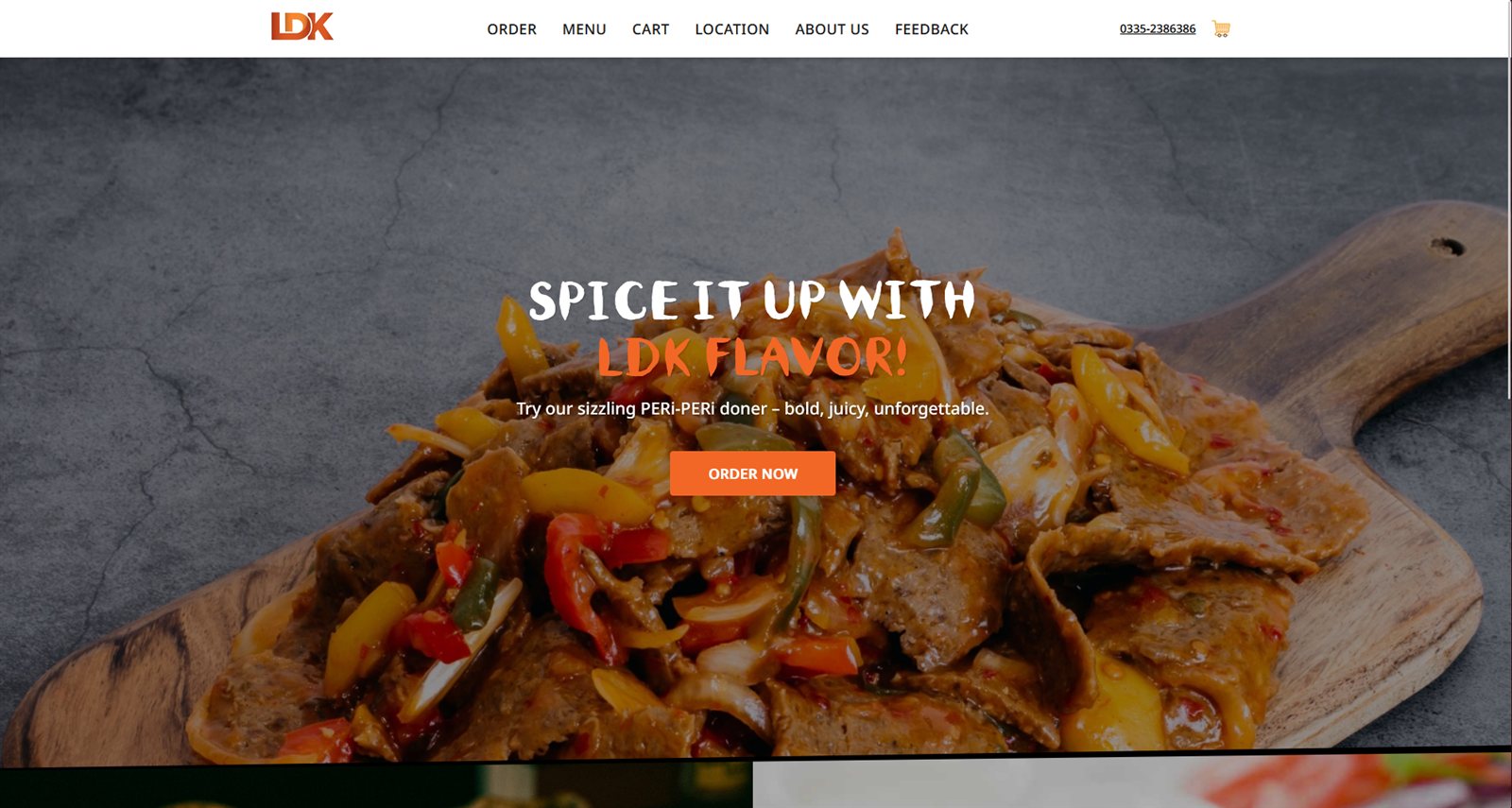
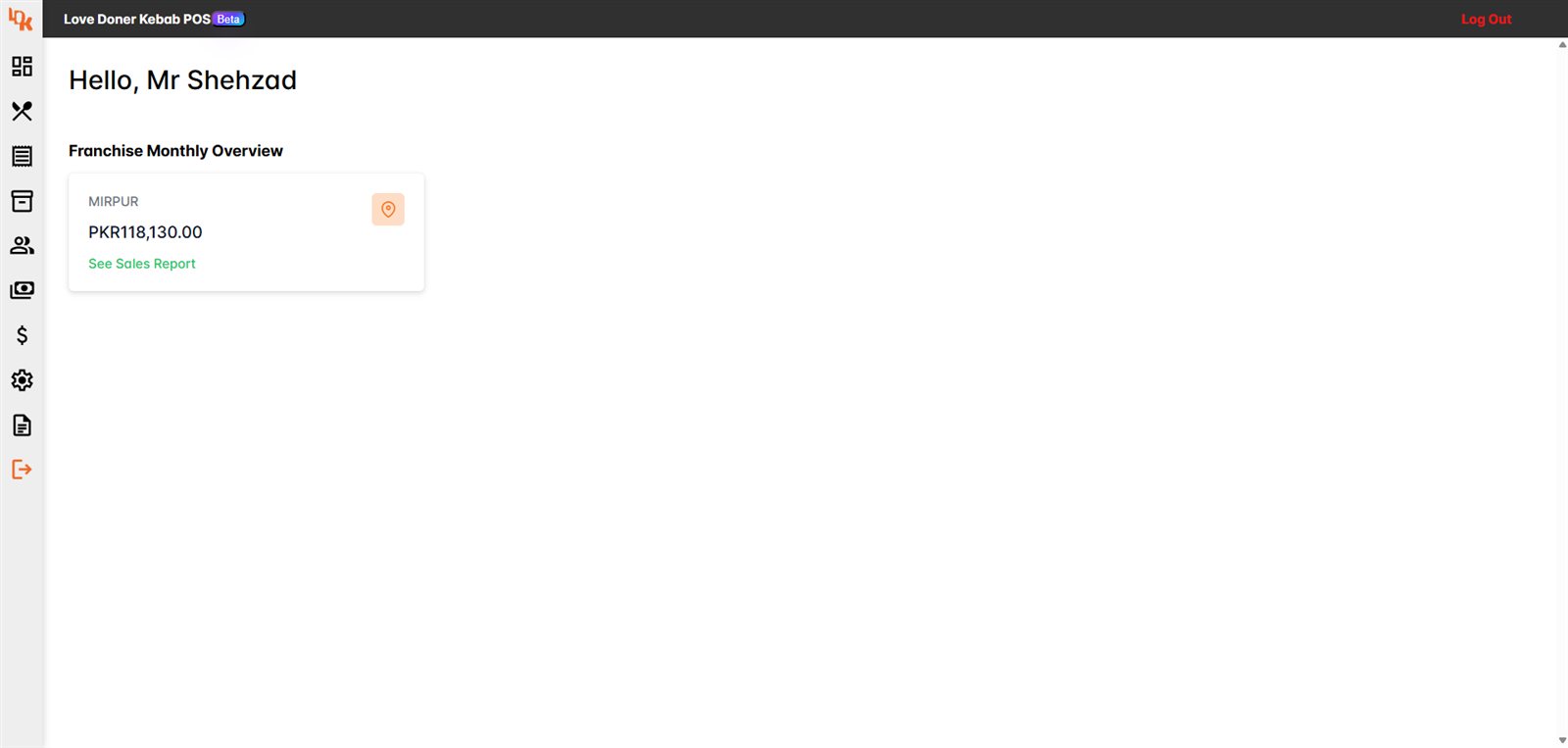
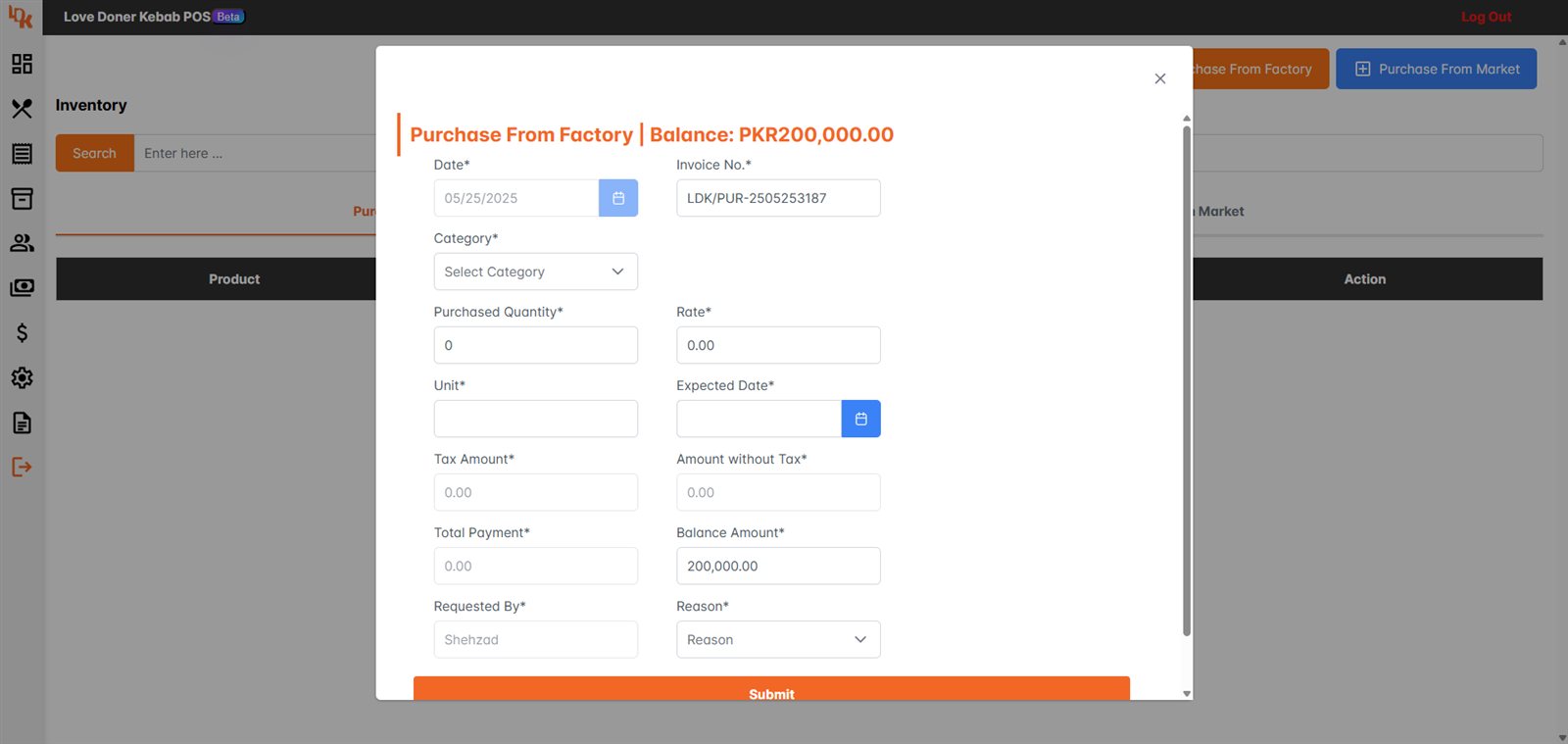
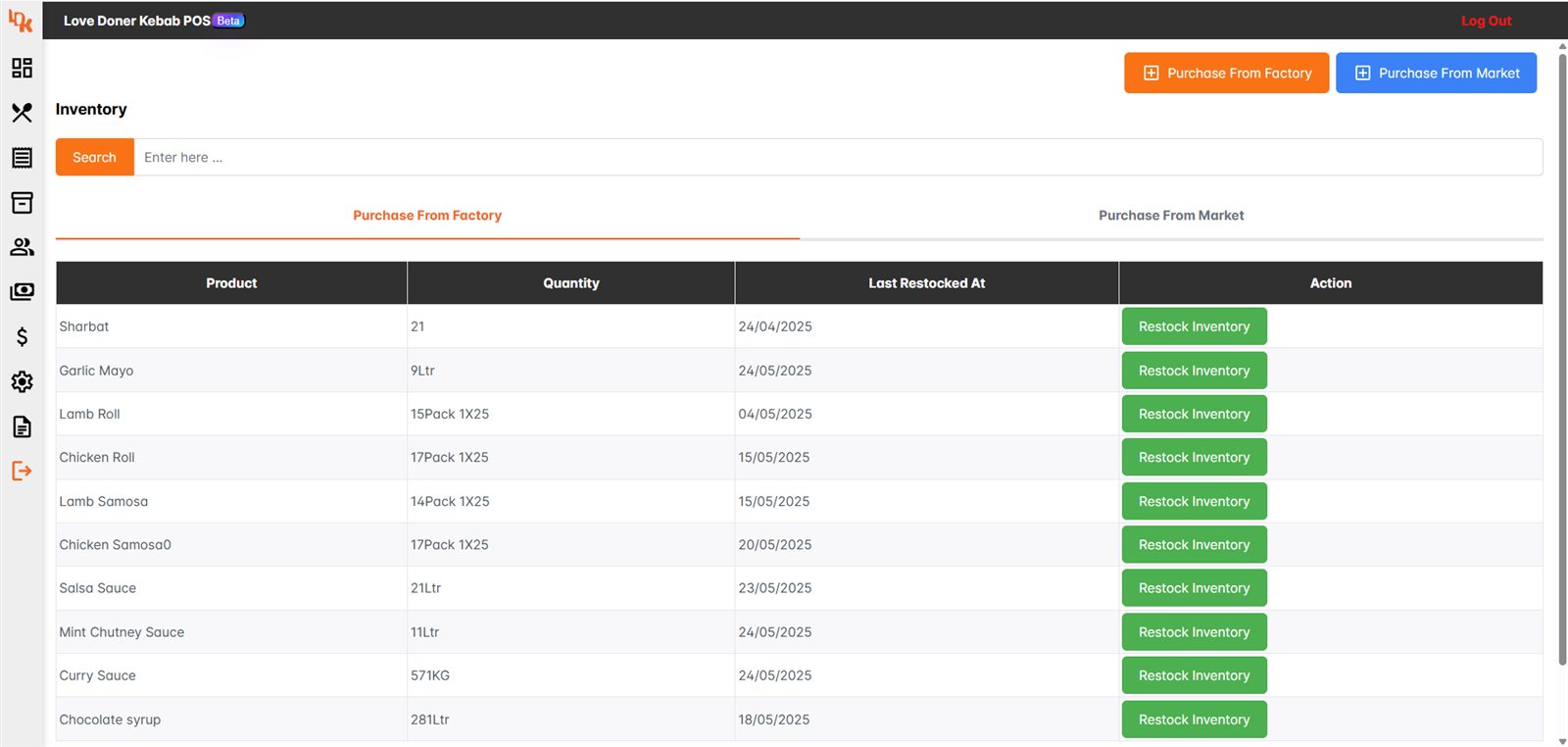
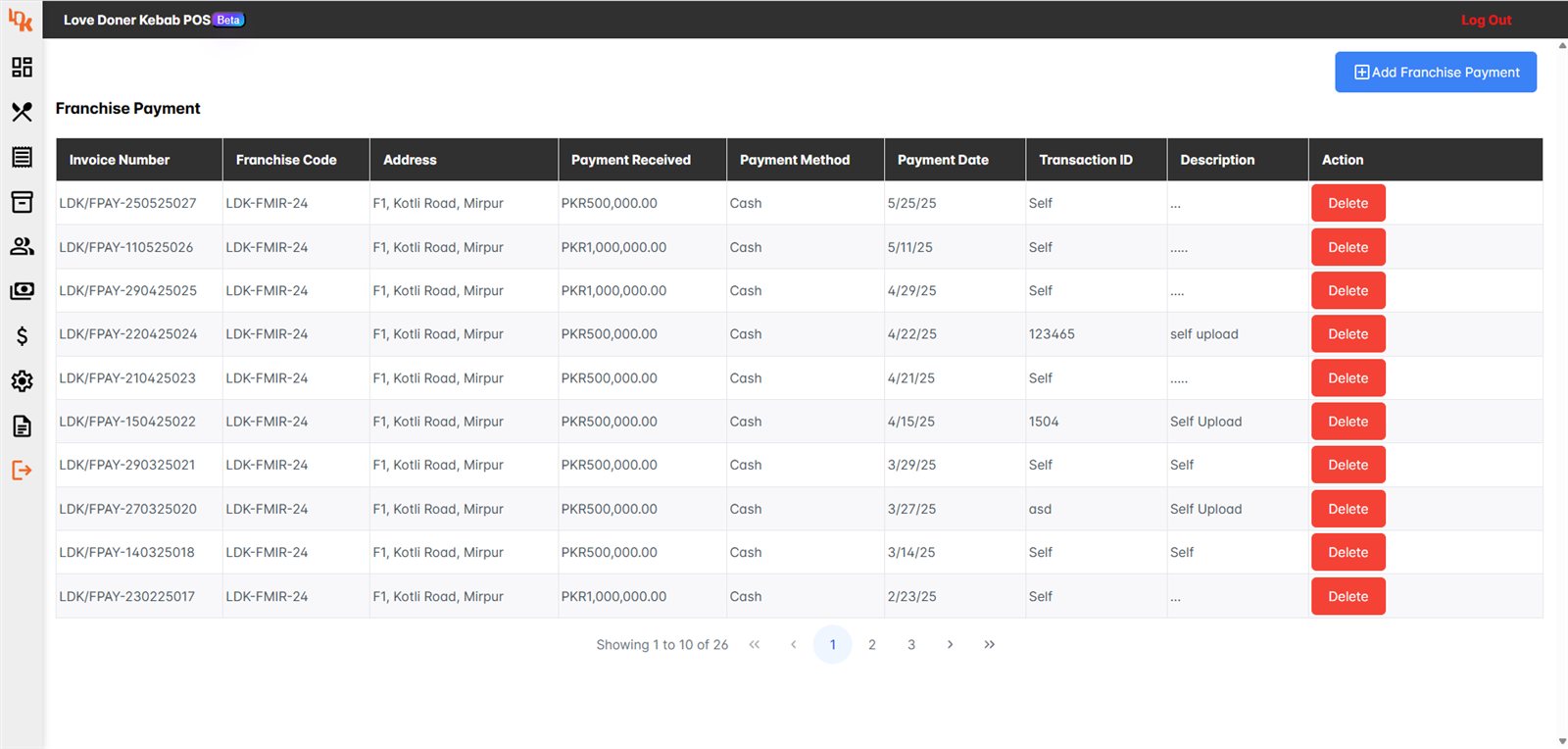
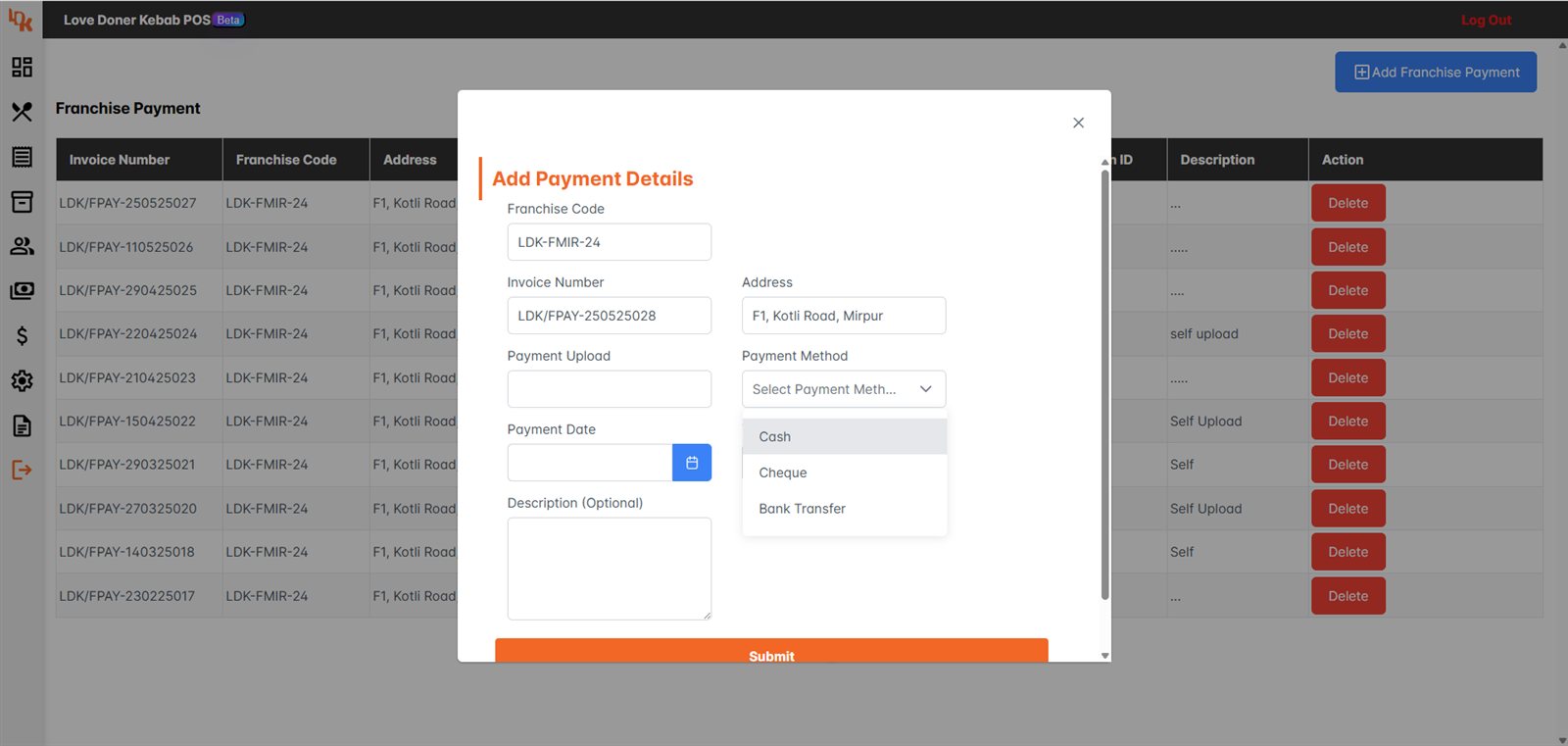
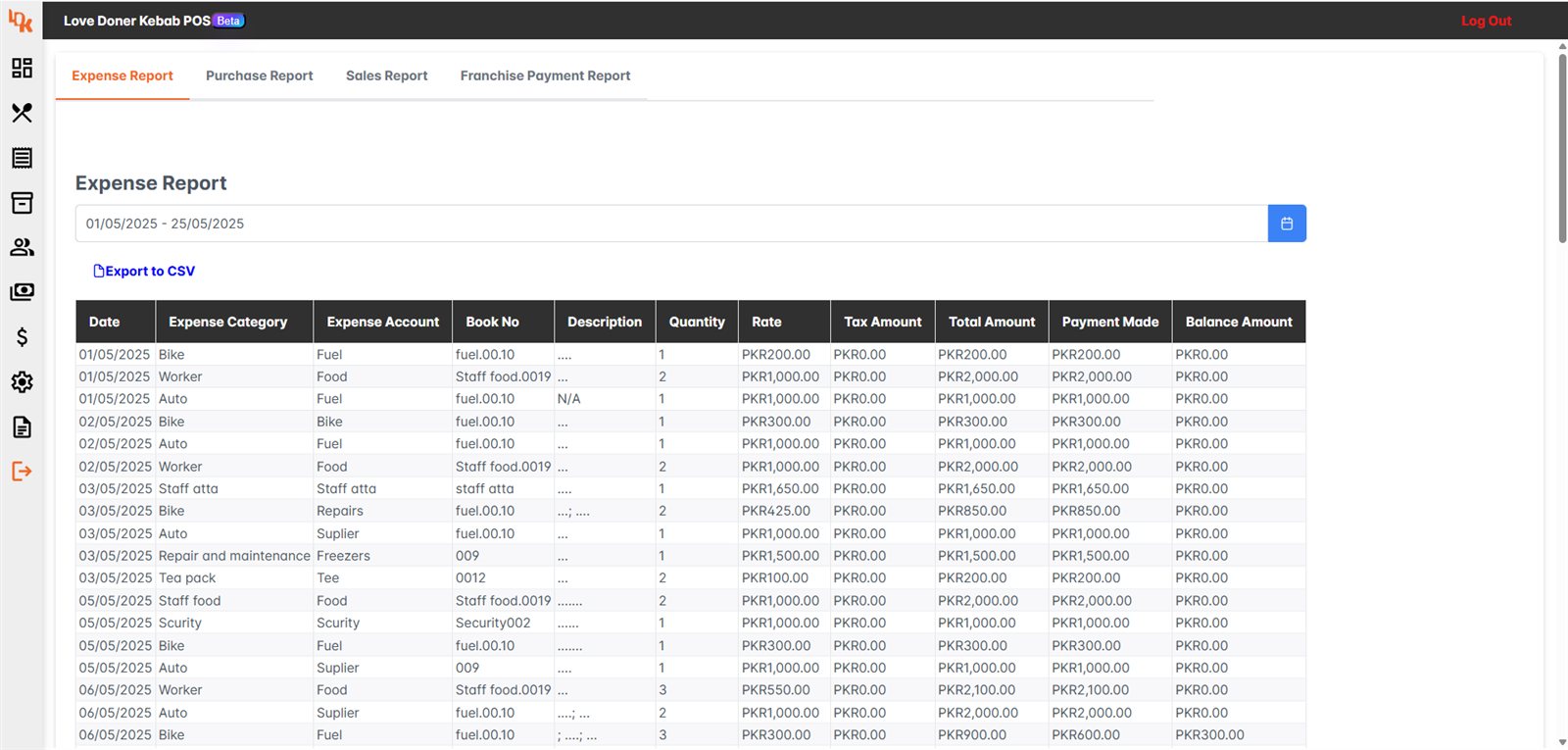
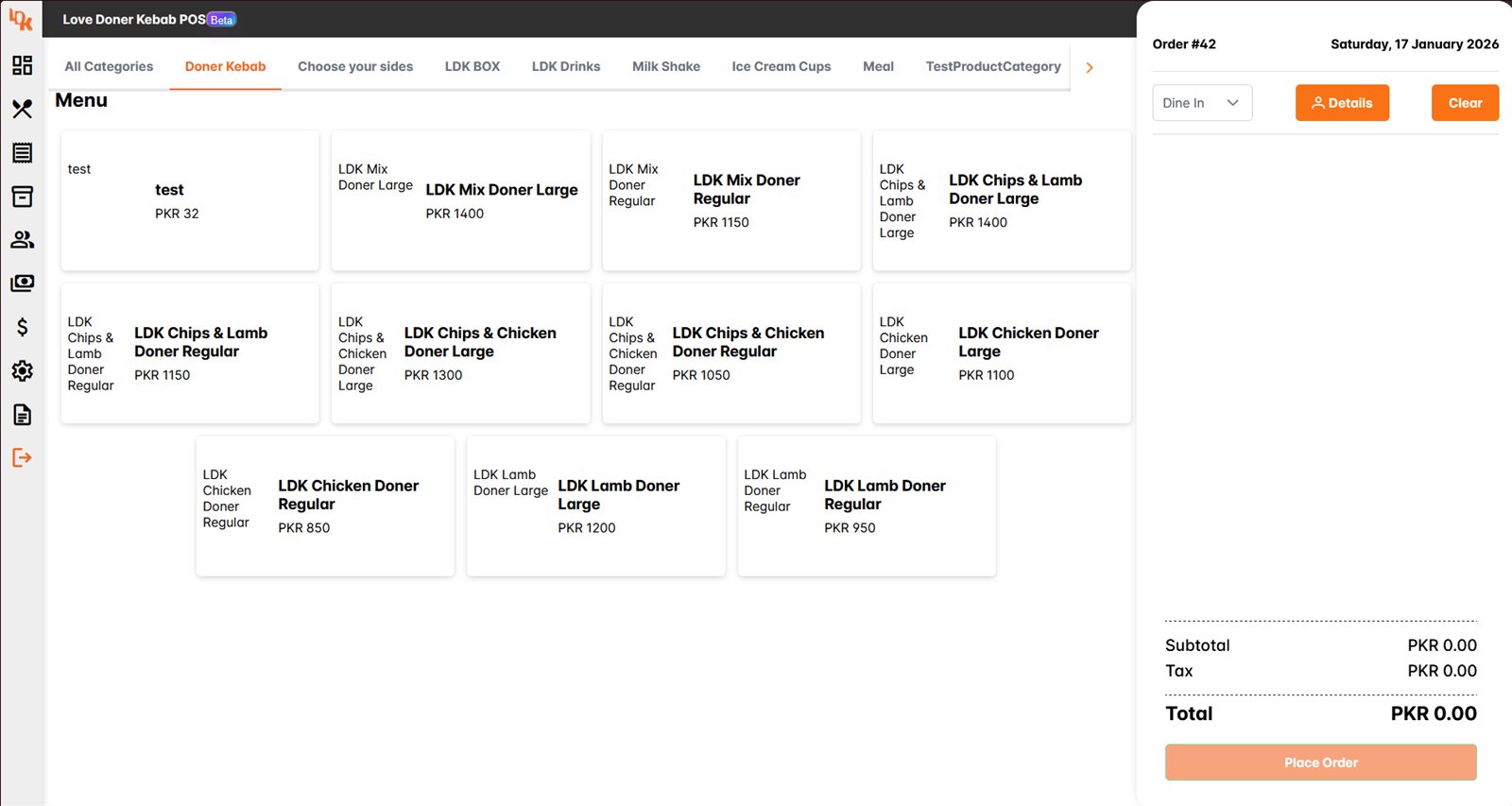

LoveDoner runs a central production factory supplying multiple franchise locations, each running point-of-sale. Before this engagement, the franchise-level POS processed orders but had no historical tracking, no fraud/discrepancy detection, and no link between what the factory produced/spent and what individual locations sold. Nothing connected factory-side costs (ingredients, transport, labor) to franchise-side sales, and nothing flagged when something in the order record didn't add up.
As daily transaction volume reached 200-300 per location, that gap stopped being theoretical. The client came to Shees with a specific, concrete suspicion: they believed employees might be manipulating or deleting orders at the POS level, but had no way to confirm it or quantify the impact.
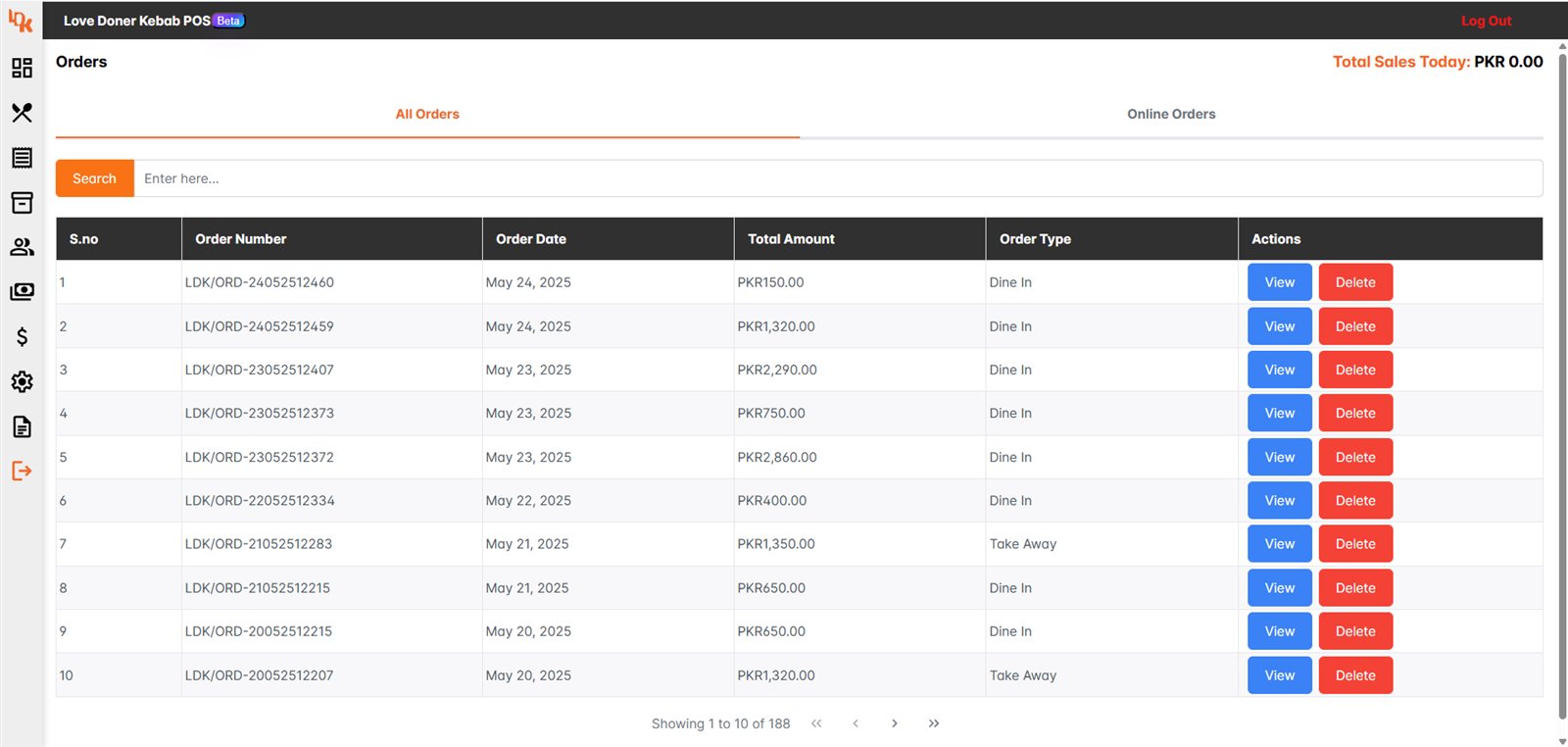
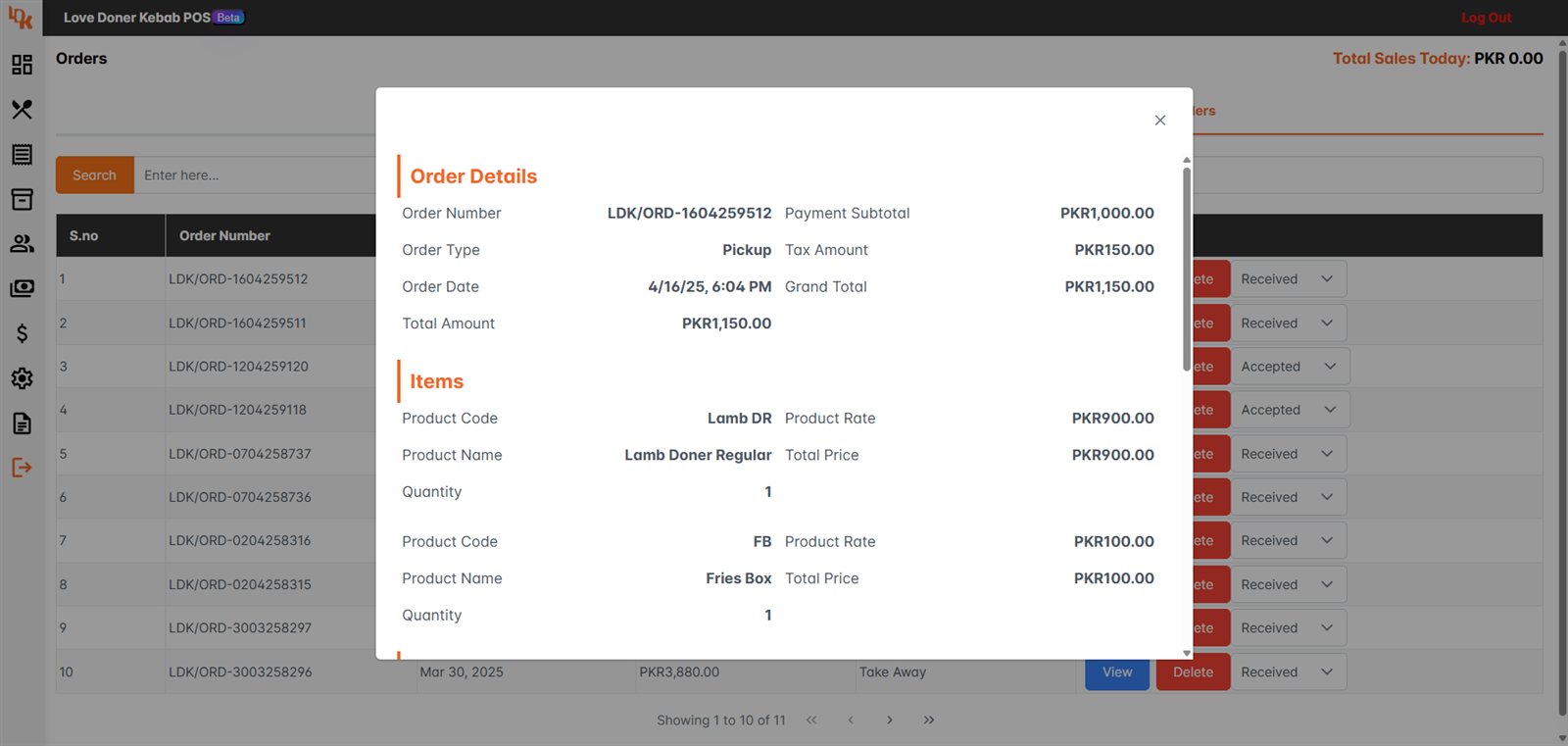
Two connected systems, both built from scratch on the same stack. POS (per-franchise level) — the front-line order system each location uses, rebuilt with structured historical tracking so every order leaves a persistent, queryable trail rather than disappearing once completed or cancelled.
Factory Manager KMS (factory/HQ level) — a knowledge-management/oversight system for the production side of the business, handling production cost tracking, full expense and employee-management records, and detailed financial reporting down to granular line items — including transportation costs for ingredients moving from the factory to individual POS locations.
The investigation that produced the $18,000 finding: the client reported a suspicion that employees might be creating and then deleting orders. Shees investigated directly against the order records and surfaced a set of orders that had existed at some point but were missing from the active order set — evidence the deletions were really happening. Working from what could still be reconstructed, Shees compiled a full report: total revenue tied to the missing orders, broken down monthly across a twelve-month period, totaling $18,000 — turning a vague suspicion into a concrete, evidence-based finding the client could act on.
The most valuable part of this engagement wasn't a feature — it was turning a client's vague suspicion into a defensible, dollar-figure finding they could act on. Most operators sense something is off long before they can prove it or put a number on it; the value delivered was closing that gap between "we think something's wrong" and "here's exactly what it cost you, broken down by month."